How Operational Inefficiencies Impact Restaurant Back Office
In a busy restaurant, it’s easy for things to fall through the cracks. A vendor payment that gets delayed, a repair request that’s forgotten, or maintenance that’s never logged. At first, these might seem like small issues, but they can quickly turn into bigger restaurant back-office management problem that affect everything from cash flow to customer satisfaction.
The reality is that restaurants lose an estimated $3 billion a year due to inefficiencies and errors in operations. That’s a significant amount of money that could be put toward improving the customer experience, streamlining processes, or investing in growth.
According to data from the National Restaurant Association, around 17% of restaurants close within their first year.
As Stephen Covey once put it, “Most of us spend too much time on what is urgent and not enough time on what is important.” For restaurants, staying on top of the smaller details in the back office can make all the difference in the long run.
Let’s have a look at why these small oversights happen and how you can prevent them from becoming bigger issues.
Common Restaurant Back Office Challenges
Vendor Payments & Accounts Payable Mistakes
Vendor payments are one of the most common tasks that can fall behind. A delayed payment to a supplier might not seem like a big deal initially, but it can strain relationships with vendors, lead to late fees, or even result in an interruption in supply, affecting the kitchen and service. Many restaurants are still relying on manual processes to manage these payments, which increases the risk of missing deadlines or approving incorrect amounts.
A Hospitality Technology study found that over half of restaurant operators still use outdated or disconnected systems for daily management, implying many likely rely on manual or semi-manual processes for invoicing and vendor management This reliance on manual tracking creates bottlenecks in the process, and the result? Cash flow issues, missed discounts, and vendor relationships that begin to deteriorate.
Repair Requests and Maintenance Issues
Repair and maintenance issues are often handled reactively, rather than proactively. In many cases, a minor repair (like a leaky faucet or faulty refrigeration) gets pushed aside until it becomes a major problem. The longer it goes unaddressed, the higher the cost to fix it. Worse, unresolved maintenance issues can lead to equipment breakdowns during peak hours, which disrupts service and damages customer experience.
Employee Scheduling and Payroll Issues
Employee scheduling and payroll management are major pain points for restaurant managers. With constantly changing shifts, call-outs, and last-minute changes, keeping track of employees’ hours can be a nightmare. Many restaurants still rely on paper schedules or disconnected systems to manage this, which leads to discrepancies in payroll and errors in wage calculations.
Inventory Management
Inventory management is another critical area where things can easily slip through the cracks. Understocking or overstocking inventory can cause a range of problems—from running out of essential ingredients during a busy shift to having excess stock that spoils before it’s used. Both scenarios are costly, and in the fast-paced environment of a restaurant, it’s easy for inventory to be neglected.
In fact, around 15% of food purchased in restaurants is wasted. This means millions of dollars in lost profits annually. Effective inventory management can reduce waste, lower food costs, and improve profitability. But without the right tools, many restaurants struggle to maintain accurate, real-time tracking of their inventory.
Menu Updates and Pricing Errors
Updating the menu and ensuring prices reflect cost changes is an often-overlooked task that can lead to confusion, inefficiency, and lost revenue. Whether it’s outdated prices or menu items that don’t match current inventory, failing to keep things updated can confuse customers and disrupt service.
According to the National Restaurant Association, inflation is straining restaurant ops. In the last 5 years, food and labor costs for the average restaurant have each gone up 35%, pushing restaurants to make difficult decisions on pricing strategies. Additionally, failure to quickly update seasonal or promotional items can leave the kitchen scrambling to make dishes that no longer appear on the menu or aren’t priced correctly.
Tax and Compliance Issues
Keeping up with local, state, and federal tax regulations is a major concern for restaurant owners, especially with ever-changing rules. Many restaurants struggle with ensuring they comply with tax filing deadlines, employee withholdings, or sales tax reporting. This not only leads to costly fines but also opens the door to audits that could have been avoided with better oversight.
As per an NFIB Tax Survey, approximately 9% of business owners reported taxes as their biggest current operational challenge. Without proper systems in place to track taxes, restaurants can easily slip up and face significant financial penalties.
Waste Management and Environmental Compliance
Waste management isn’t just about trash, it’s about adhering to environmental regulations, managing food waste efficiently, and making sure the restaurant is operating sustainably. As local governments place stricter regulations on waste disposal, many restaurant owners find themselves scrambling to stay compliant, potentially incurring fines for improper disposal practices.
According to Restaurant Business Online, 53% of operators report that waste management is a challenge in their operations. From food waste to packaging disposal, it’s a headache that many restaurants fail to manage properly, leading to higher costs and fines.
Supply Chain and Procurement Delays
The restaurant supply chain is one of the most vulnerable parts of the business. Disruptions, whether due to vendor delays, transportation issues, or stockouts, can lead to missed menu items or force last-minute ingredient sourcing, leaving kitchens scrambling.
The National Restaurant Association reported that 96% of restaurant operators have faced supply chain disruptions in 2021, resulting in shortages of key ingredients and increased procurement costs. These delays can not only impact daily operations but also frustrate customers when their favorite menu items are no longer available.
These are just a few examples of the many challenges that restaurant managers face daily in the back office. Whether it’s managing finances, maintaining equipment, handling staff, or dealing with inventory, it’s clear that small issues can quickly snowball into larger problems that impact the entire operation. These inefficiencies can affect the bottom line, disrupt the customer experience, and ultimately harm the restaurant’s reputation.
Why These Tasks Often Slip Through the Cracks?
Running a restaurant means juggling a lot of moving parts. With daily operations constantly in flux, whether it’s the lunch rush or managing last-minute staff changes, it’s easy to overlook small but critical tasks. But why do these things slip through the cracks, even when we know they’re important?
Let’s take a closer look at some of the key reasons these back office issues often go unnoticed and unaddressed.
Lack of Automation and Integration
In many restaurants, operations are managed using multiple, disconnected systems. From separate software for scheduling, payroll, inventory, and vendor management, the lack of integration makes it difficult to keep track of everything in one place. As a result, important tasks get missed or delayed because there’s no central system to automate or link them together.
According to Restaurant Technology News, 29% of restaurant operators and owners say they are lagging behind in technology. This creates inefficiencies that make it hard to stay on top of everything, especially when it comes to managing finances, tracking repairs, or monitoring inventory levels.
Another report from Goldman Sachs states that restaurants spend around 75% less on invoice processing when they use automated accounts payable solutions instead of manual methods.
Human Error and Communication Breakdowns
Restaurants are fast paced, things happen quickly, and hence, mistakes are bound to occur. Whether it’s a forgotten repair request, a missed shift swap, or an untracked vendor payment, human error is a big contributor to things slipping through the cracks.
Add to this the constant pressure of keeping everything running smoothly, and communication breakdowns become inevitable. Managers may forget to follow up on certain tasks, staff might misplace paperwork, or details might be lost in a stack of emails.
Time Pressure and Operational Overload
Every restaurant manager knows what it’s like to be pulled in a hundred different directions during a busy shift. The reality is, when there’s only so much time in the day, some tasks get deprioritized, even if they’re essential to smooth operations. With constantly shifting priorities and unexpected challenges, it’s hard to stay on top of everything that needs to be done.
According to data from GM Connect, a product developed by Gallup in collaboration with TDn2K, just 11% of General Managers surveyed reported having enough quality time with family and friends. With nearly 90% of managers dissatisfied with their work-life balance, it’s no surprise that turnover rates are soaring.
Lack of Clear Processes and Accountability
Another reason tasks get overlooked is the lack of standardized processes and accountability. In many restaurants, workflows are often inefficient or based on personal routines rather than established procedures. When tasks aren’t clearly outlined or assigned, it’s easy for something to fall through the cracks simply because it wasn’t clearly on anyone’s radar.
Without clear accountability for each task, the chances of important items being forgotten are higher. This leads to disorganization, missed deadlines, and ultimately a breakdown in service.
Inconsistent Staff Training
Training and onboarding new staff are a necessary but time-consuming process, and many restaurants face high turnover rates. When staff members aren’t properly trained on the procedures for things like inventory checks, repair logging, or payroll submission, these tasks are more likely to be forgotten or done incorrectly.
According to a report, 73% of restaurant employees leave within the first year, often due to poor training and lack of growth opportunities. This constant churn means managers are continually revisiting training sessions instead of focusing on operational tasks that keep the restaurant running smoothly.
Overlooking the Importance of Back Office Tasks
For many restaurant owners and managers, the back office doesn’t always get the attention it deserves. The focus is often on front-of-house operations, which includes serving customers, keeping the kitchen running smoothly, and managing guest relations. But when the back office is neglected, it leads to a domino effect of issues that impact the overall operation.
Many studies and survey have pointed out that restaurant operators spend more time focusing on customer-facing tasks than back office duties, even though back office inefficiencies are often the root cause of operational problems. When back office tasks aren’t given enough attention, things like vendor payments, repairs, and inventory management suffer, which eventually impacts service quality and profitability.
The Mismanagement of Technology and Tools
Technology is meant to make life easier, but when it’s not used to its full potential, it can add more complexity instead of reducing it. Many restaurants are investing in technology but fail to integrate it effectively across their operations. This leaves gaps in how tasks are managed, creating more chances for things to be missed. When systems don’t communicate or sync properly, data is lost, workflows become fragmented, and mistakes pile up.
The good news is that once you understand the root causes, it’s possible to address them head-on and create a more efficient, streamlined back office processing.
How Poor Back Office Management Led to the Downfall of Iconic Brands
Quiznos
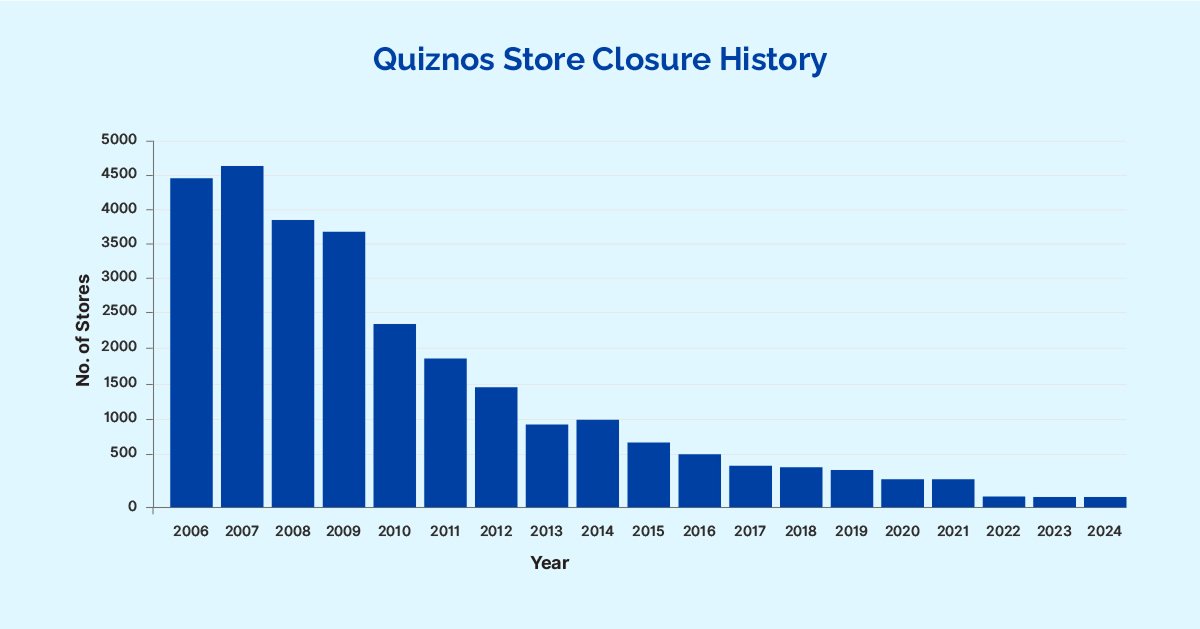
Quiznos, once a booming sub sandwich chain with 4,700 locations in the US, rapidly collapsed over the past decade.

In 2018, Quiznos was acquired by High Bluff Capital Partners, and now they have a total of 331 stores (as of December 2024).
Quiznos’ downfall can be traced to its treatment of franchisees. The company forced franchisees to purchase food and supplies from a corporate-owned distributor at inflated prices, drastically cutting their profits. This created deep resentment and led to legal conflicts between corporate and franchisees.
The brand also struggled with high franchise and royalty fees while offering little in return. Corporate failed to provide adequate operational or marketing support, leaving local owners to fend for themselves. This lack of support further undermined their success.
Financially, Quiznos took on significant debt as it expanded aggressively. Without the proper infrastructure or quality controls, this expansion strained both corporate and franchisees, adding to the pressure.
In addition, poorly planned promotions and menu changes created confusion and financial losses for franchisees. Customers were often left confused, which hurt the brand’s reputation even further.
Finally, Quiznos failed to adapt to changing consumer preferences and the rise of competitors like Subway. Their inability to evolve in a competitive market contributed to their decline.
Quiznos’ downfall is directly tied to a failure in back office management, which included inefficient supply chain practices, lack of franchisee support systems, poor financial planning, and ineffective communication between headquarters and stores. The brand’s internal controls and management practices failed to align corporate incentives with franchisee success, leading to operational and reputational ruin.
TGI Fridays
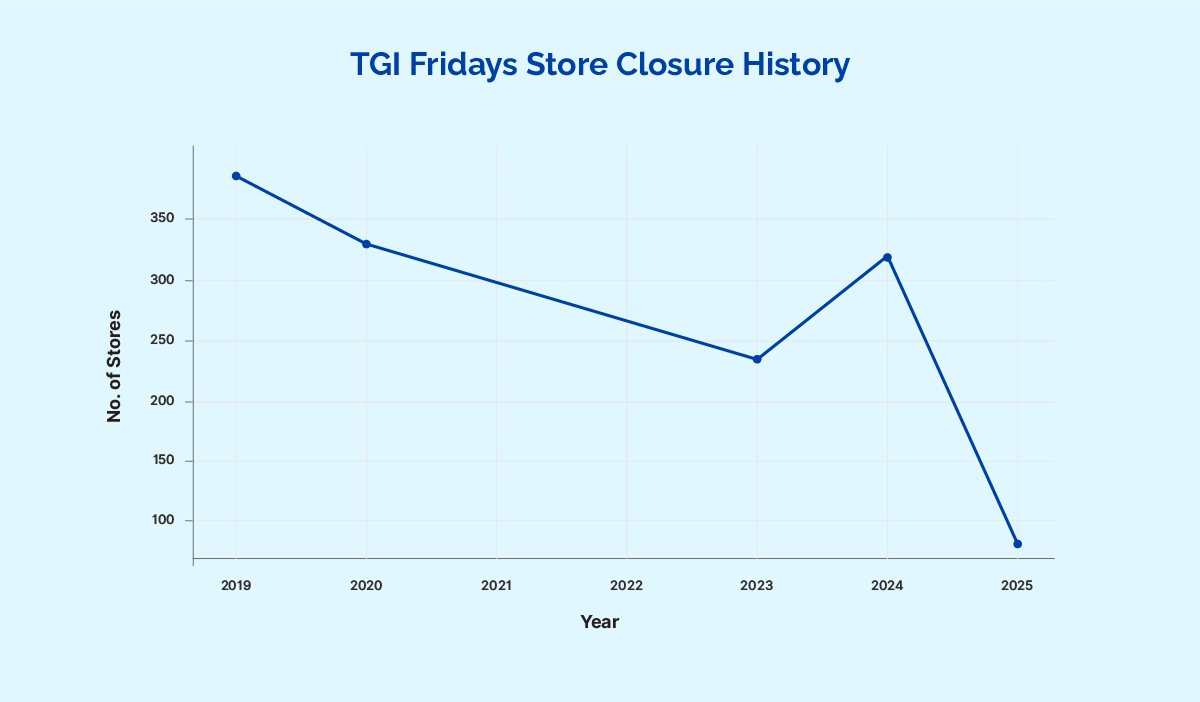
TGI Fridays, a pioneer of casual dining, faced a slow, public decline and ultimately filed for bankruptcy in 2024 after years of falling sales, unit closures, and executive instability. However, around 85 of its locations remain open, including those operated by franchisees (as of April 2025).

A big part of TGI Fridays’ problems was poor financial management. The company took on too much debt through private equity buyouts, which put a lot of pressure on its finances. To try to save money, they started cutting costs, which led to lower food and service quality. This hurt the brand and turned customers away.
Leadership issues also played a key role in the company’s decline. There was constant turnover at the top, which led to confusion and a lack of clear direction for the brand. In 2024, TGI Fridays lost control of its core assets when it failed to file important documents to bondholders on time. This mistake forced the company to bring in outside management to try to fix things.
As sales and traffic dropped, TGI Fridays closed many underperforming locations. To make up for lost revenue, they switched to cheaper food and reduced service quality. This only made things worse, as it drove away the loyal customers they had left.
The company also struggled to keep up with changing trends in the restaurant industry. They were slow to embrace fast-casual dining and delivery services, which became more popular with consumers. As a result, they failed to meet new customer expectations for convenience and value, which contributed to their ongoing decline.
TGI Fridays’ collapse involved multiple failures in back office management. It had weak financial and compliance controls (missing filings), poor vendor/payment management, lack of coherent leadership, loss of control over core assets, and failing to modernize digital/operational infrastructure. These chronic systemic weaknesses contributed as much to its decline as external market trends.
As we can see, both Quiznos and TGI Fridays declined due to a mix of market competition and internal operational failures. In both cases, poor back office management, ranging from supply chain and vendor management, to financial planning and executive oversight was a common cause of their troubles and ultimate downfall.
So, is there a solution? Yes!
Technology for Automating Restaurant Ops
Technology in restaurant industry has the power to transform back office operations, eliminating inefficiencies and reducing human error. In an industry where margins are tight and time is scarce, automating processes is crucial to ensuring everything runs smoothly behind the scenes.
With the right restaurant management software and tools, restaurant managers can automate routine tasks and integrating various back office functions into one central system, technology removes the need for manual tracking, minimizes human error, and helps maintain consistency across locations.
In terms of managing vendor payments, maintenance, and workflows, an integrated system can help automate approvals, track requests, and ensure timely execution. These systems can send real-time notifications, keeping teams informed and on track.
For example, automating accounts payable through a restaurant accounting software ensures that payments are made on time, every time, without the need for manual oversight. Maintenance tracking software sends reminders for scheduled checks and records repair history, making it easier to keep equipment running smoothly.
Another area where technology plays a significant role is in managing operational workflows. Many restaurants still rely on spreadsheets, email chains, and paper forms to manage tasks. Technology replaces these outdated processes with automated task management, ensuring accountability and visibility across teams. This helps avoid missed tasks and ensures that the team is aligned on the most important priorities.
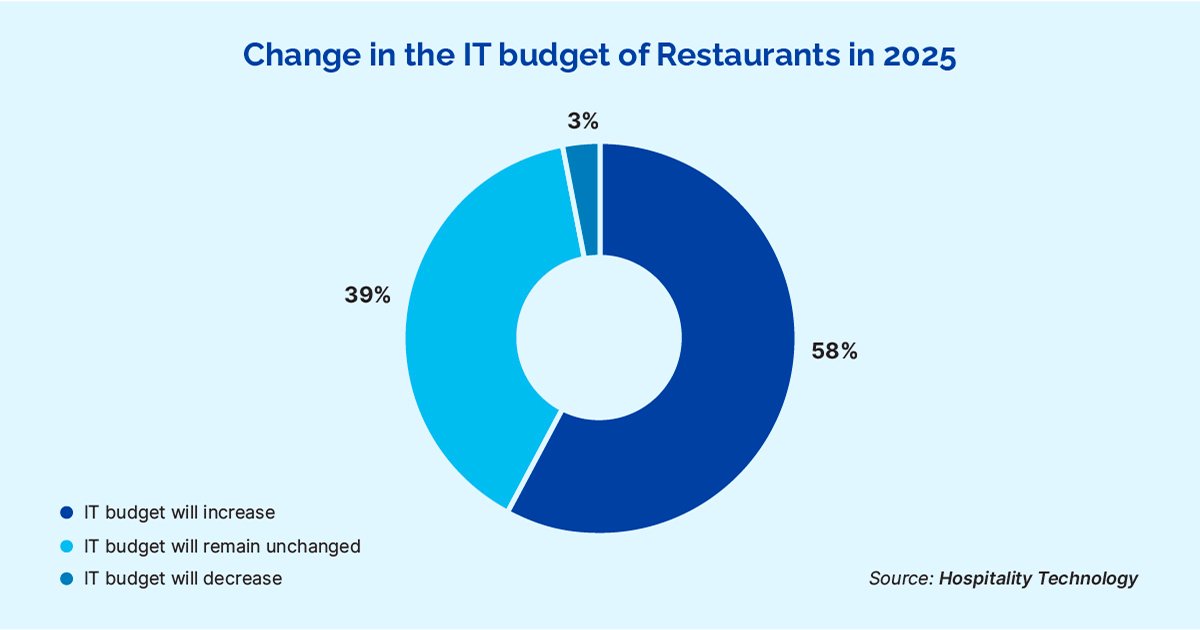
Many restaurants have realized this and are investing significantly on their IT. Here’s how restaurant IT budgets are evolving in 2025.

Introducing Meal Dynamics: Full-Stack Back Office Platform
Now that we’ve established the role of technology in improving back office operations, it’s time to introduce a solution that can do it all, Meal Dynamics – built by Bajco Group.
Meal Dynamics is a full-stack back office automation solution for restaurants, designed to smoothen critical operational tasks like vendor payment management, repair and maintenance tracking, and task workflows. With Meal Dynamics, you get a powerful, easy-to-use platform that connects all aspects of your back office operations, reducing the manual effort and eliminating errors that can cost your restaurant time and money.
Here’s how Meal Dynamics can make a difference in your operations:
- Vendor Payment Automation: It automates your accounts payable processes, ensuring that vendor invoices are approved and paid on time. With full visibility into payment statuses and a flexible multi-level approval workflow, you can say goodbye to missed payments and late fees.
- Maintenance and Repair Tracking: Keeping your equipment in good shape is crucial for uninterrupted service. Meal Dynamics tracks repair and maintenance requests, logs every detail, and sends reminders when tasks need attention. This ensures that you never miss a crucial maintenance check, reducing the risk of unexpected breakdowns and costly repairs.
- Operational Workflow Automation: Meal Dynamics allows you to create custom workflows for various tasks; whether it’s handling a vendor request or tracking an expense request. The platform ensures that no detail gets missed, and that every team member is held accountable.
- Operational Checklists: It offers built-in operational checklists to keep your team on track with daily tasks, like opening and closing procedures or weekly/monthly cleaning and more, ensuring accountability and consistency across operations.
- Real-Time Reporting and Analytics: Meal Dynamics gives you real-time insights into the back office operations. You can track the status of payments, maintenance requests, and other important tasks from a single dashboard, making it easier to spot issues before they become bigger problems.
- Centralized Back Office Management: With Meal Dynamics, everything is in one place. Instead of managing separate systems for vendor payments, repairs, and task tracking, of all your restaurant locations, Meal Dynamics integrates these processes into a single platform. This integration helps eliminate inefficiencies, reduce the risk of errors, and save time.
Meal Dynamics is specifically designed by restaurant owners, who have faced similar challenges and overcame them, for restaurants owners who need a simple yet powerful way to manage critical back office functions. With its centralized system, restaurants can manage key back office tasks from one platform, ensuring that everything is streamlined, accountable, and running smoothly.
If you’re ready to take control of your back office operations and eliminate inefficiencies, Meal Dynamics offers the tools you need to build a more streamlined, organized, and efficient operation.
Want to know more? Book a free demo today!
Conclusion
At the end of the day, the success of a restaurant goes beyond just delivering great food and service. It’s about having the right systems in place to manage the behind-the-scenes operations. From vendor payments to maintenance and operational workflows, small oversights can quickly snowball into major problems that affect your bottom line.
Technology, when implemented correctly, can solve many of these challenges. By automating and integrating key back office functions, restaurants can reduce errors, save time, and increase efficiency. With the right tools, like Meal Dynamics, managing these tasks becomes simpler and more streamlined, ensuring nothing slips through the cracks.
If you haven’t considered getting restaurant technologies incorporated into your back office management, now is the time! Invest in better systems and take control of your back office, so that you can focus on growing your restaurant and delivering a better experience for both your staff and your guests.